 Data River
Reconstructing Financial Records for the ATO: The Complete Guide

By Data River

Quick answer: Missing bank statements or records the ATO wants? You can rebuild them. Pull historical statements from your bank, convert them into structured transaction data, and work back through your figures period by period. This guide covers why records go missing in the first place, how to reconstruct them properly, and links out to a detailed walkthrough for whatever specific situation you're actually in.
If you're staring at a gap in your records right now, you're probably not the first person this week to feel a bit sick about it. It happens more than people admit — a lost shoebox of statements, a bookkeeper who left mid-year without much of a handover, an ATO letter that lands out of nowhere. The good news, and it is genuinely good news: almost none of it is actually gone. Banks keep transaction history for years, longer than most people assume, and the process for rebuilding from it is the same no matter what caused the gap. This page walks through that process, then points you to a deeper guide for your specific situation.
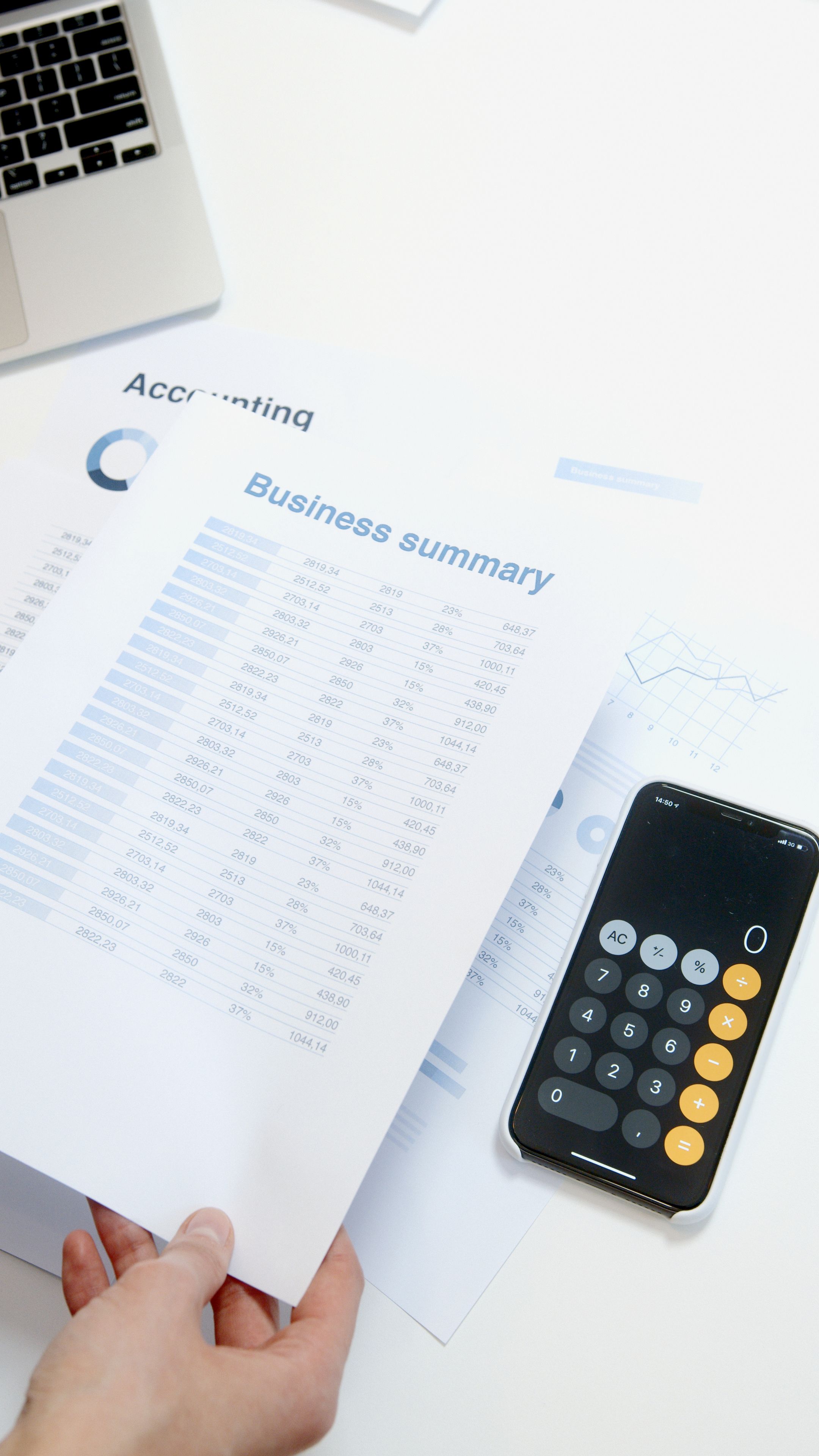
Why records go missing in the first place
A handful of situations cause most of this:
- Switching bookkeepers or accountants mid-year, with the handover falling through the cracks
- A BAS or annual return lodged on rough estimates that never got properly reconciled afterward
- Statements that were simply lost, deleted, or never saved — especially from older or closed accounts
- An ATO information request or audit, asking you to substantiate income or expenses from a while back
- Bookkeeping that slipped for a stretch, with the intention of "catching up later" that never quite happened
None of these are rare, and none of them mean starting from zero. Your bank still has the transaction history even when your own copy doesn't.

The reconstruction process, in five stages
However you got here, rebuilding your records follows roughly the same path:
- Work out exactly what you need — a single BAS quarter, a full financial year, or several years if you're responding to an audit
- Get the source records — mainly bank statements, either downloaded yourself or requested from the bank if they're older
- Turn those statements into usable data — a PDF can't be filtered, sorted, or added up; it needs to become structured data first
- Check that data against what was actually reported — matching real transactions to BAS labels, return figures, or claimed expenses
- Fix, lodge, or respond — amend a lodgement, catch up something missed, or send the ATO what they asked for
Step three is usually where the real time goes, especially if you're doing more than one period at once. Typing out months of transactions from a PDF by hand is slow, and it's easy to fat-finger a number without noticing. That's the exact problem Data River exists to solve — it reads PDF bank statements and turns them into clean, structured data in minutes instead of an afternoon.

Which guide actually applies to you
The process above is the general shape of things, but your situation is probably more specific than that. Here's where to go next:
- BAS Reconciliation for Beginners: A Step-by-Step Guide — your BAS doesn't match your bank records, or you missed one entirely
- What to Do When the ATO Requests Records You've Lost — you've had a formal request or audit notice land in your inbox
- Converting Bank Statements for BAS and Tax Time — you just need the actual conversion step done, three ways to do it
- How Far Back Can You Get Bank Statements in Australia? — you're not sure your bank even still has what you need
- Switching Accountants Mid-Financial-Year: How to Rebuild Your Books — you're the business owner living through a handover gap right now
- A Bookkeeper's Checklist for Reconstructing a Client's Missing Records — you're the one doing this for a client, not yourself

When it's worth calling a professional
You can do most of the legwork here yourself — gathering statements, converting them, laying the numbers out. Where it's genuinely worth paying someone is the judgment call afterward: is this error minor enough to fix on the next BAS, or does it need a formal amendment? How do you word a response to the ATO so it doesn't invite more questions than it answers? A registered BAS agent or accountant earns their fee on that part. And honestly, if you show up to that conversation with your numbers already reconciled instead of a folder of loose statements, it's a shorter, cheaper conversation either way.
A few questions people usually have
How far back can I actually go with this? There's no hard cutoff on rebuilding your own records voluntarily, but the ATO's own record-keeping rule is generally five years. If you're amending something already lodged, they typically allow corrections within four years without needing a formal amendment request.
Do I need the original statements, or will copies do? Copies are fine. Most banks will reissue statement history through online banking or on request — older or closed-account statements just take longer, so it's worth starting that request earlier than feels necessary.
What's the fastest way through this if I've got several years to reconstruct? Convert everything first — every statement, every period — before you start reconciling anything. Jumping back and forth between converting and reconciling is what actually slows people down.
Isn't this basically the same as an audit? No, and it's worth keeping the two separate in your head. Reconstruction is just rebuilding accurate records. An audit is the ATO's own review process — it might be why you're reconstructing records, but they're not the same thing.
Almost every version of this starts the same way: PDF bank statements that need to become usable data before anything else can happen. Data River handles that conversion automatically, so you can spend your time actually reconciling instead of retyping transactions.

About Data River
Data River converts your bank statements into Excel-friendly sheets — no more manual re-typing of PDF statements into spreadsheets. Upload a statement and get clean, structured data ready for reconciliation, bookkeeping, or import into your accounting software.